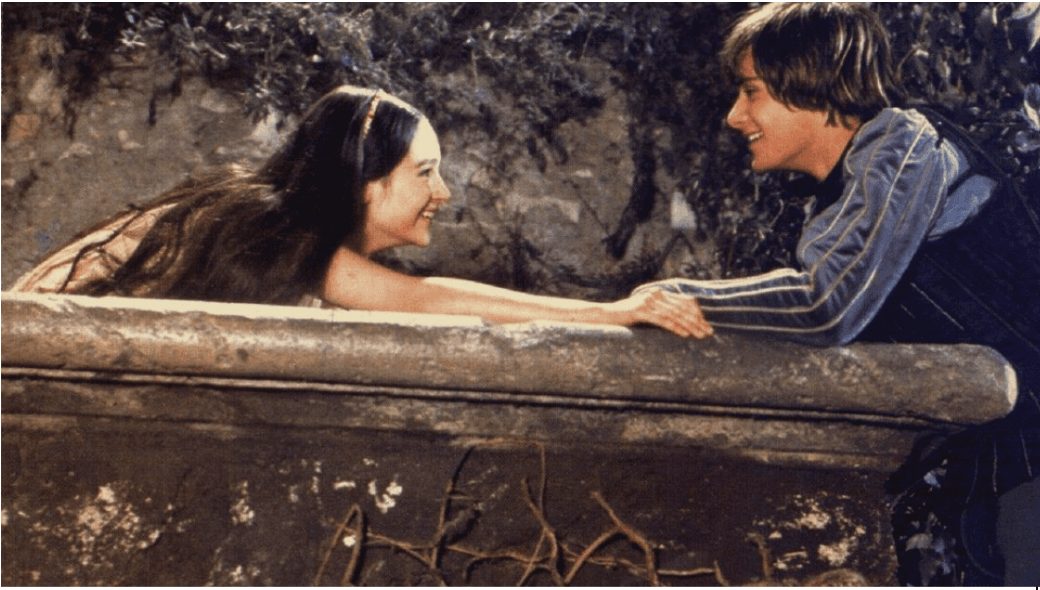

Romeo and Juliet’s rapid love story is not unintentional; Shakespeare structures the entire play around speed to showcase how dangerous emotional impulsiveness can be. Their relationship develops over a few short days, making every decision feel rushed and underthought, shedding light on the risks brought by impulsiveness. Throughout the play, Shakespeare uses different characters and their personal connections to show how damaging the impulsivity behind Romeo and Juliet’s romance is, and how all along there were signs of it.
At the center of this is Romeo himself, whose emotional volatility is present throughout the play. In the beginning, he is deeply in love with Rosaline, claiming his feelings are intense and all-consuming. Yet the moment he sees Juliet, he abandons that love completely, showcasing his pattern of impulsive emotional attachment. Additionally, his language is full of exaggeration, revealing that he is driven more by feeling than by thought. Juliet, while slightly more cautions, quickly falls into the same behavior. Despite initially questioning the speed with which they formed a bond, she still agrees to marry him within a day. Shakespeare uses both characters to show how even self-awareness doesn’t always prevent impulsive action.
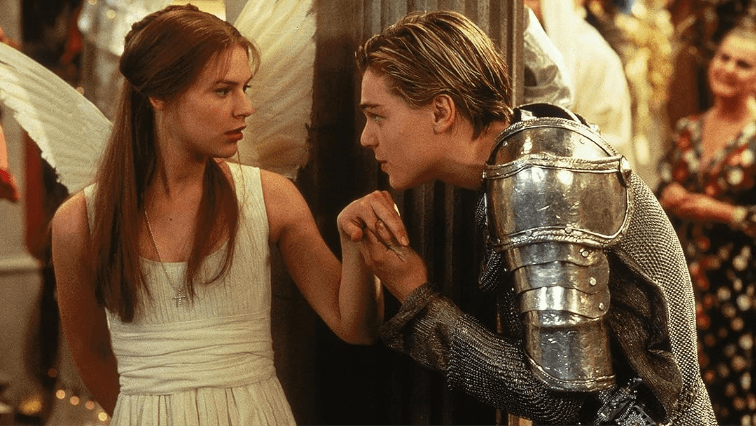

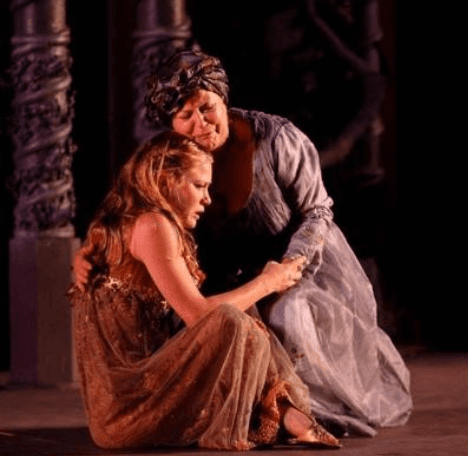
However, other characters in the play reinforce this theme rather than counterbalance it. For example, Friar Laurence, who might be expected to guide the young lovers, instead enables their impulsive behavior. He agrees to marry them promptly, hoping to use their union as a way to end the feud between the Montagues and the Capulets, without stopping to think about the consequences this marriage could brin for Romeo and Juliet. His decision is pragmatic but still impulsive, prioritizing a hopeful outcome over realistic possibilities. Likewise, the Nurse supports Juliet’s choices, acting more as an accomplice than a voice of reason, failing to stop and consider the speed at which things are taking place. Both of these characters, instead of reasoning with the young lovers, only accelerate the rate of their romance and lean into impulsiveness along with them.

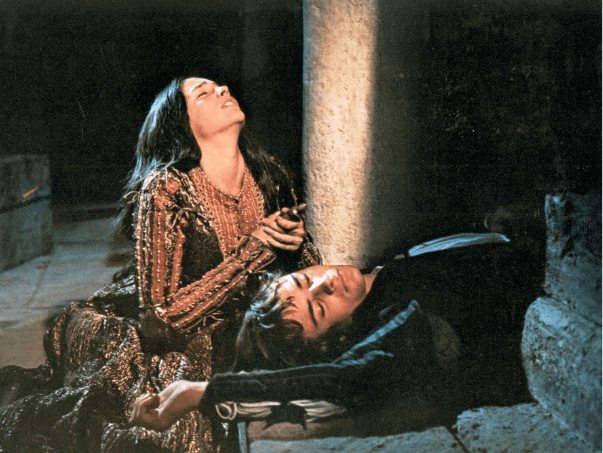
Finally, the play’s sequence of events escalates this impulsiveness into tragedy. Romeo’s reaction to Mercutio’s death is immediate and emotional, killing Tybalt without pausing to consider the consequences. This moment is critical in the play because it shifts the tone from romantic impulses to tragedy with severe collateral damage. Later, Romeo’s final decision is perhaps the clearest evidence on the negativity that comes with romantic impulsiveness, not seeking confirmation or reflection when he hears Juliet is “dead.” Instead, he rushes to Verona, buys poison and takes his own life. Juliet, upon walking and finding Romeo is dead, mirrors his impulsiveness and takes her own life as well. These final acts show how emotion and speed make a combination that removes any possibility for correction or help.
All in all, Shakespeare’s use of impulsiveness is not just a stylistic choice but a warning. By compressing time, intensifying emotions, and surrounding the lovers with characters who feed into the narrative, he illustrates how impulsiveness can override reason and lead to devastating consequences. Romeo and Juliet’s tragic love story ultimately suggests that acting on love by impulsiveness and not reflection, it can turn from something healing and beautiful to something destructive and irreparable.

Ariana Salazar
Junior writer
Hi, I'm Ari! I'm a junior at La Floresta and a creative writer for the school newsletter. I've always loved plastering my thoughts in writing, and being a part of The Daily gives me a chance to do that. I'm excited to share my writing and ideas with everyone. Being part of this project has helped me improve my writing skills, and especially connect with people who are as passionate about writing as I am. I hope my articles serve as inspiration for people and encourage someone to share their valuable thoughts with the world.