

Not ever will you feel as infinite as you did during your teenage years… at least that’s what people say anyway. However, there is a particular kind of loneliness that only exists in adolescence: the feeling of being in a crowded room and still feeling like nobody truly sees you. The Perks of Being a Wallflower (2012) explores human emotion and identity through a young lens, portraying the internal struggles that come with trying to find who you really are while experiencing complex emotions that could take over the search for personal identity. The film makes it clear that your personal battles shape who you are, but not who you can become. So, what does it really take to find your true self? Charlie Kelmeckis navigates this question, showing the struggles of adolescence, the influence of grief in identity, and what it truly means to be a “Wallflower.”


The adolescent mind works in very particular ways; it is more complex than what adults take it to be. In the movie, Charlie gives the viewer a scope of his thoughts through the letters that he writes to his “friend” throughout the movie. The letters help gain a better understanding of the reasoning behind his actions and extreme shyness. Charlie is experiencing psychological pain that roots in his past experiences, such as his childhood trauma and the death of his best friend. Yet, he pushes through, moving forward and trying to navigate his teenage years with the least damage possible. The movie perfectly captures the pain of feeling alone in a time of your life when you so badly want to fit in, showing how this loneliness can have a significant effect on a person, even at a subconscious level. When Charlie finally finds family in Sam and Patrick, he sees a shining light in his path. When they introduce him to their friend group, he feels as though he has finally found a space where he can be himself, a space to grow into the person he’s trying to figure out how to be. It is for this very reason that he agrees to date Mary Elizabeth, even if he doesn’t like her, because he is scared to lose his chosen family. The combination of the letters and Charlie’s actions show how Charlie struggles with his decision because he is so desperate not to feel so alone anymore.
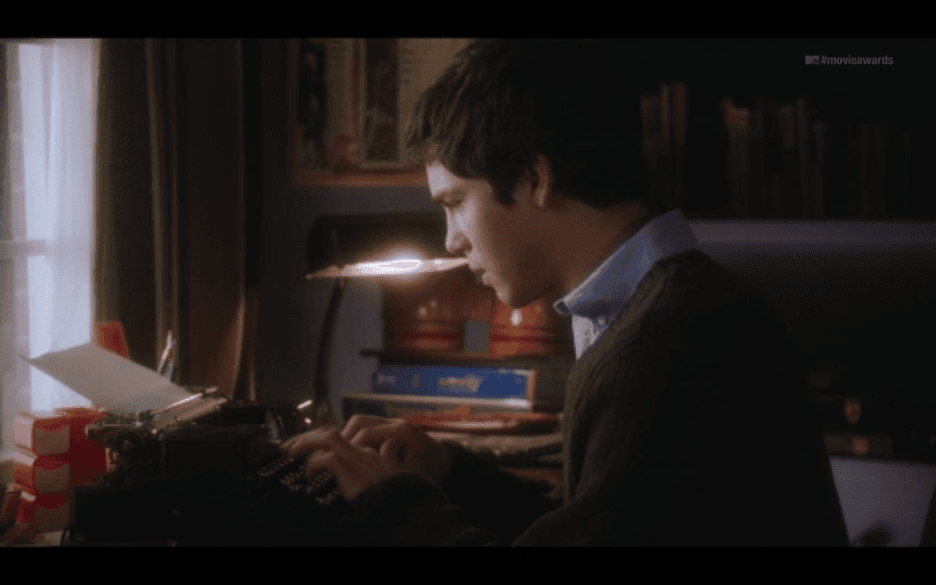
However, it is important to note that Charlie’s identity is not only shaped by his adolescent struggles, but also by all his unresolved grief and trauma. The movie makes it clear that healing is not a linear process, and soul searching isn’t either. Charlie spends half the movie desperately trying to move on with his life by pretending he is not affected by past events, but in doing so, he creates an empty identity, a fake sense that he has found who he is while there is unprocessed grief lurking in the back of his mind. When Charlie and Sam kiss, this brings back unpleasant memories, which in turn makes all the unsettledgrief come seeping right through and crumple Charlie’s “I’m okay and have everything figured out” façade. The events following Sam and Patrick’s departure for college clearly show how trauma can be a big part of a person’s identity, but they also portray how overcoming your traumas is a big step in finding your true identity, identifying who you really are in spite of the pain you’ve been through, and how that pain (now processed) is a small piece of the big puzzles that makes up a person’s sense of being.
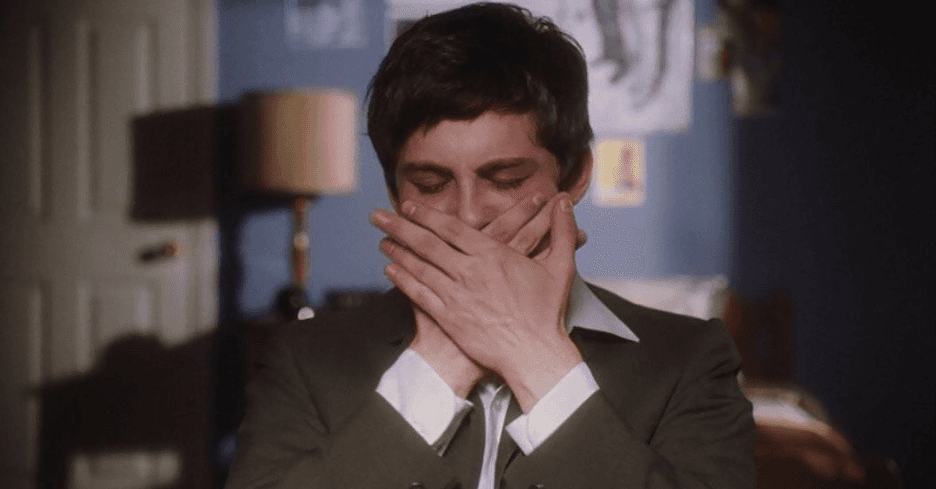
As mentioned before, finding yourself is not a linear process, and this can be seen in Charlie’s actions before the events at the end of the film. When Charlie is welcomed into Sam and Patrick’s friend group, he shapes himself to become what his friends want him to be, and that is the true meaning of being a wallflower. Being a wallflower doesn’t just mean being invisible, it means doing whatever you need to do to be noticed, and that is exactly what Charlie did. He was tired of being invisible, tired of feeling alone; so, when he found a group where they noticed him, he shaped himself to accommodate everybody’s needs, failing to create an identity that doesn’t revolve around pleasing others. It is only until Charlie spirals that he is able to realize that the sense of being he thought he had built, was nothing but filling the expectations that his friends had for him, not a real base of whom he will become in the future.

All in all, The Perks of Being a Wallflower offers an interesting approach to the Coming-of-age genre, showing that growing up doesn’t necessarily mean following a continuous path towards getting better. The letters Charlie writes provide insight into his thoughts, showing the complexity of his mind and how he deals with adolescent troubles. Additionally, the movie shows that grief is an important part of identity, and how pain is a powerful tool when it comes to finding oneself. If there is one thing to take from this movie, especially as a teenager, is that during your adolescence you will feel as infinite as you’ll feel empty, and processing all those feelings correctly is the key to finding that drive that is hidden inside you, behind all those layers of self-doubt and loneliness, waiting to blossom into the person that will fulfill all of your biggest dreams, one step at a time.

Ariana Salazar
Junior writer
Hi, I'm Ari! I'm a junior at La Floresta and a creative writer for the school newsletter. I've always loved plastering my thoughts in writing, and being a part of The Daily gives me a chance to do that. I'm excited to share my writing and ideas with everyone. Being part of this project has helped me improve my writing skills, and especially connect with people who are as passionate about writing as I am. I hope my articles serve as inspiration for people and encourage someone to share their valuable thoughts with the world.