https://www.reuters.com/world/americas/venezuelan-opposition-activists-madrid-warily-cheer-maduro-capture-2026-01-03/
Music is more than a void sound. It is memory, pain, and survival condensed into a melody. For Venezuelans, music has become a way to speak up when speaking is no longer possible. When words are silenced or fail, songs remain. For millions of Venezuelans who were forced to leave their country, music is not entertainment, it presents a connection. It is the only bridge left between who they were and who they have become. It carries the voices of those who can no longer return home, who have missed countless birthdays, funerals, graduations, and last hugs.
Danny Ocean is one of those voices that speaks for a generation of Venezuelans who had to leave home, using music to articulate a shared sense of memory and identity that words alone cannot capture.
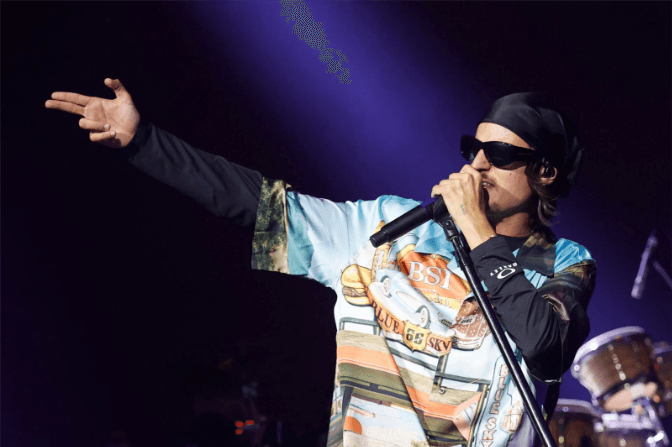
Fig 1. Danny Ocean performing at his October 2025 concert in Costa Rica. El Espectador.
Born in Caracas in 1992, his music does not offer a scathing political protest, but it conveys a subtle yet powerful critique of exile, longing, and jeopardized identity that resonates deeply with Venezuelans in the diaspora, telling a story that almost every Venezuelan understands. His songs are filled with longing, distance, and emotional absence. ‘Me Rehúso’, one of his most popular hits, is not just a love song. In the opening lines, he sings, “Para todos aquellos amores que fueron obligados a ser separados,” a phrase that resonates deeply with Venezuelans who did not choose to leave but were pushed into exile. To them, the song feels like a goodbye that never ended, a refusal to let go of a place, a person, a memory that refuses to fade.
This music is not made for a casual audience.
It conveys a meaningful message for those who were forced to leave without knowing if they would ever return. For those who say “I’m fine” while carrying homesickness every day. For those who grew up faster than they should have, in airports instead of classrooms, on video calls instead of dinner tables.
Danny Ocean’s songs often carry infectious Latin beats and Afro-Caribbean rhythms, upbeat and danceable enough to soundtrack a beach trip or a family gathering, but underneath there is sadness, the kind that smiles so it doesn’t break. His melodies travel across countries because Venezuelans are everywhere now. Each song becomes a meeting point, a reminder that even if they are scattered across the world, they still share the same pain, the same memories, the same roots.
In Danny Ocean’s album Venequia, released in 2024, he alludes to national identity when he sings, “Tenía siete estrella’ y me quitastes ocho,” a line that references the stars on the Venezuelan flag and the controversial addition of an eighth star, which many citizens did not support. The lyrics suggest not only political change but also a sense of loss, as if something fundamental to the country’s identity has been altered or taken away. For Venezuelans in the diaspora, this symbolism reinforces a shared understanding of a homeland that feels transformed and distant.
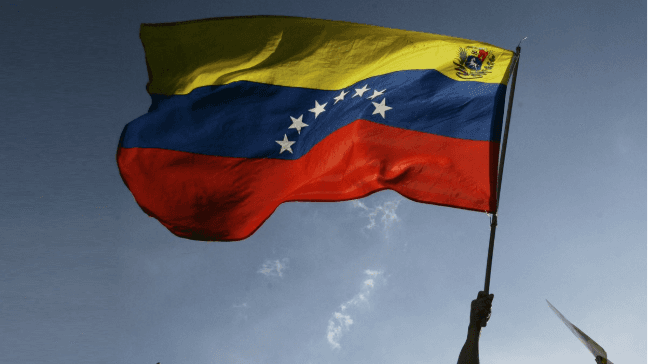
Fig 2. Padre Jose Palmar (@PadreJosePalmar). “La bandera para las marchas de esta semana.” X, 17 Apr. 2017, https://x.com/PadreJosePalmar/status/853925539618463745
That symbolic weight reached an international stage in December 2025, when Danny Ocean performed at the 2025 Nobel Peace Prize ceremony in Norway honoring Venezuelan opposition leader María Corina Machado. On that occasion, he did not present his own hits, but instead chose two songs deeply embedded in Venezuelan cultural identity: ‘Alma Llanera,’ composed in 1914 by Pedro Elías Gutiérrez with lyrics by Rafael Bolívar Coronado, and ‘Venezuela,’ written in 1980 by Spanish composers Pablo Herrero Ibarz and José Luis Armenteros and later popularized by José Luis Rodríguez “El Puma.” Both songs are widely regarded as unofficial national anthems, evoking nostalgia, landscape, and national pride. By reinterpreting these classics on a global stage, Danny Ocean transformed the performance into more than a tribute; it became an act of representation. For Venezuelans watching from abroad, hearing these historic melodies in such a solemn and internationally recognized ceremony affirmed their cultural identity and underscored the broader message of freedom and dignity, giving visibility to people often defined only by crisis.
When Venezuelans listen to his music, they are not just listening, they are remembering. Remembering the streets they walked on, the people they lost touch with, the version of themselves that stayed behind. Music becomes a form of mourning, but also of passive resistance. In the song ‘Por la pequeña Venecia’, released in 2024, he writes, “Yo te cambio la justicia por la paz,” a line that suggests the painful trade between justice and stability that many Venezuelans feel has defined their recent history. The lyrics capture a sense of resignation and irony, as if peace can only exist at the cost of accountability. Through lines like this, Danny Ocean voices political frustration without turning his music into a direct protest, speaking on behalf of 7.9 million Venezuelans abroad and honoring their roots.
Because when speech is forbidden or ignored, Venezuelans will always find a way to communicate. They sing what they cannot say freely. They cry through lyrics. They survive through rhythm.
And despite everything, there is still pride.
It is painful, but it is powerful to say: I am Venezuelan.
Because even when your homeland is far away, even when it seems unreachable, music will always be the straight way home, as Danny Ocean sings in ‘Escala en Panamá’, “Caracas en dicimebre, maybe, quiero que me acuerdes quien fui.” a reminder that even in exile they carry the memory of who they once were and the hope that one day they will be remembered and reunited.


Valentina Guzmán
Senior Writer
Hi, I’m Valentina, a Senior at La Floresta, and currently the Editor in Chief of our school’s newsletter. Writing has always been a passion of mine, especially in the sports section where I still contribute regularly. Through this role, I get to support our team creatively while continuing to tell the stories that matter to our school and community.